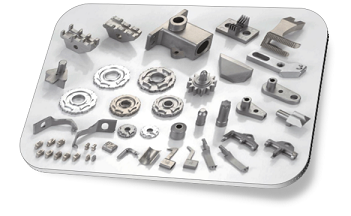
Common Steel Materials for Metal Injection Molding (MIM) and Their Key Characteristics
Metal Injection Molding (MIM) is a high-efficiency near-net-shape mass production process for complex, high-precision metal parts, widely applied in aerospace, medical, consumer electronics, automotive and firearm fields. Steel is the most widely used MIM material, this paper introduces five mainstream MIM steel grades and their core features for different performance demands.
MIM 304 Austenitic Stainless Steel
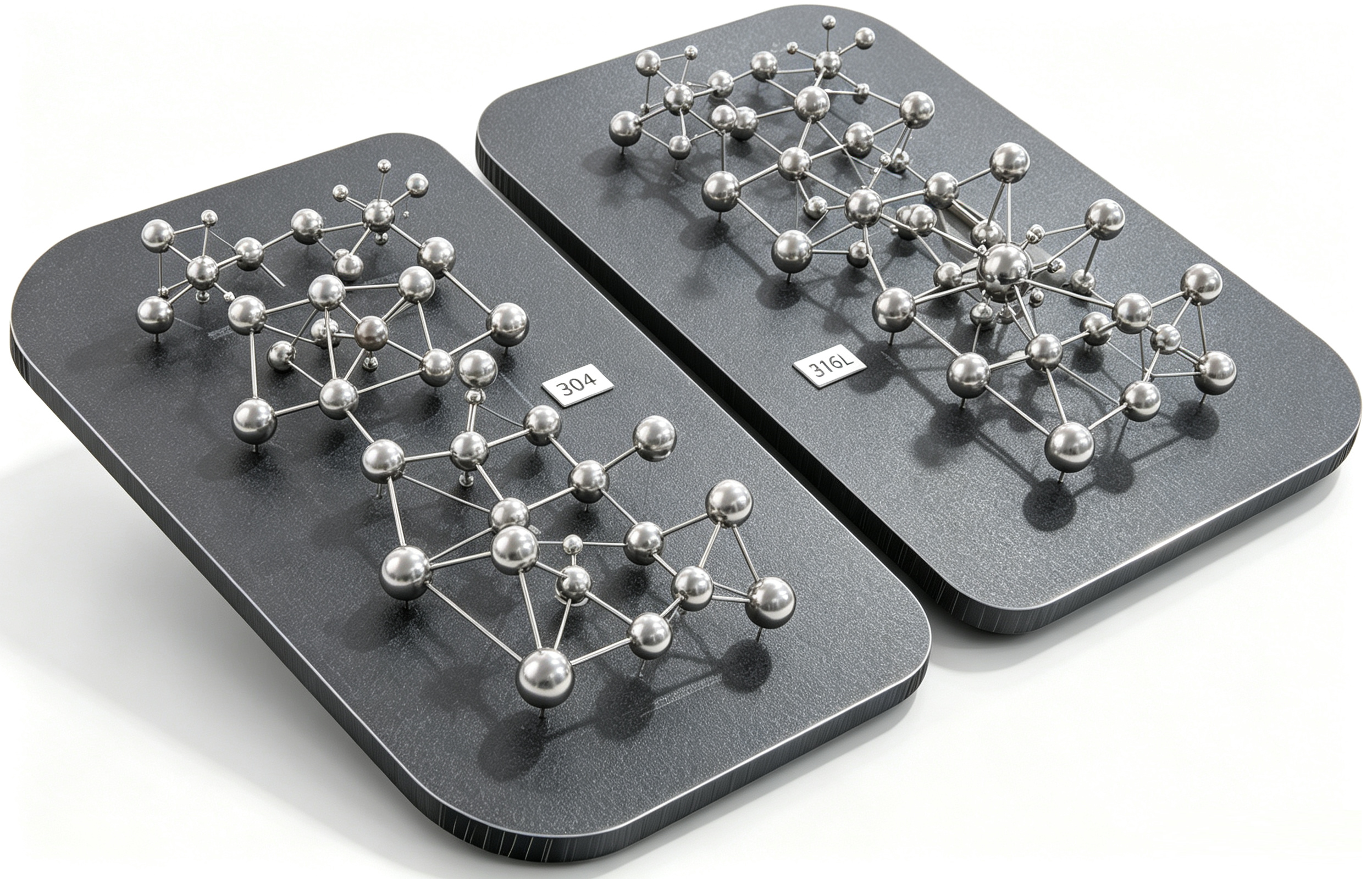
The most cost-effective general-purpose MIM stainless steel, with over 18% chromium and 8% nickel, featuring excellent corrosion resistance in mild atmospheric, food and fresh water environments. It cannot be hardened via quenching, with as-sintered tensile strength ≥ 520 MPa, elongation up to 40%, and good non-magnetic property and forming performance. It is the preferred material for 3C electronic precision parts, kitchenware components, consumer hardware and general industrial structural parts, with outstanding cost performance and stable sintering consistency.
MIM 420 Martensitic Stainless Steel
Cost-effective chromium-alloyed steel with 12–14% Cr and 0.15–0.3% C, reaching HRC 45–52 after heat treatment. It has stable sintering performance, suitable for medium-low load parts like knives, scissors, surgical tool handles and general hardware, resistant to mild atmosphere, fresh water and weak organic acid, not for long-term high-concentration chloride or strong acid exposure.
MIM 17-4 PH Precipitation Hardening Stainless Steel
The most popular high-strength MIM stainless steel with 15–17.5% Cr, 3–5% Ni and trace Cu, Nb. Its hardness is adjustable from HRC 30 to HRC 45 via aging treatment, with tensile strength over 1100 MPa and excellent impact toughness. It fits aerospace structural parts, automotive sensor assemblies, firearm accessories and high-load hardware, with good corrosion resistance to atmosphere, dilute alkalis and common chemical agents.
MIM 316L Low-Carbon Austenitic Stainless Steel
Low-carbon (≤0.03%) molybdenum-alloyed steel, free of intergranular corrosion, with outstanding pitting resistance in chloride environments. It cannot be quenched for hardening, with as-sintered tensile strength of 500–600 MPa, excellent ductility and non-magnetic property. It is the preferred material for surgical implants, marine hardware, food processing components and outdoor electronic enclosures, with no interference to MRI and sensitive sensors.
MIM 440C High-Carbon Martensitic Stainless Steel
The hardest standard MIM stainless steel for extreme wear scenarios, with 16–18% Cr, over 0.95% C and trace Mo, V. Its hardness reaches HRC 58–62 after heat treatment, with wear resistance far better than 420 and 17-4 PH. It is widely used for precision bearings, high-end knives, industrial cutting tools and wear-resistant nozzles, with corrosion resistance better than 420 but inferior to 316L.
Material for MIM
2026-09-22
Recommended
You might also like
2026-09-18
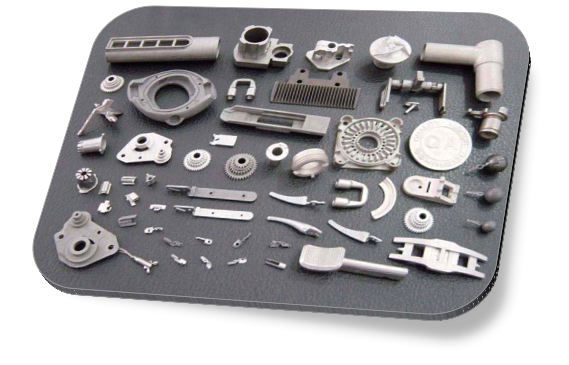
Industry which need MIM products
MIM products can be used for industry of automobile, locks and hardware, electronic, medical, garden tool, power tool, drones and robots, a.s.o.